What is the Volcker rule? The headlines in the press describe a nebulously defined financial regulation as being the second coming of financial reform Yet the only thing clear about the Volcker rule is who it is named after, former Federal Reserve chair Paul Volcker. The Volcker rule was a last minute financial regulation rule in an attempt to stop speculative trading by Wall Street. It has been politicized, lobbied against, delayed, watered down and modified heavily.
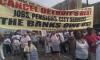
It is official. Detroit is bankrupt. Detroit is not only bankrupt they can now trash pensions owed to city workers. That is police, fire, hospital and a host of workers counting on those pensions for retirement. The U.S court ruling allows for a bankruptcy type for cities and towns, Chapter 9, to proceed and specifically puts pensions on the fair game bankruptcy chopping block.
Tonight's documentary is Inside Job. Made in 2010, this is probably the best documentary on the financial crisis and it also won an Academy award. It should also make your blood boil and then bubble over considering business as usual is still going on. The conflicts of interest alone exposed in this film will stun you In short it's a must see and if you have watched it already, well, see it again.
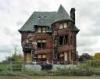
Detroit lost a quarter-million residents between 2000 and 2010. A population that in the 1950s reached 1.8 million is struggling to stay above 700,000. Much of the middle-class and scores of businesses also have fled Detroit, taking their tax dollars with them.
Wall Street is now winding their way through the swiss cheese loophole maze financial reform is. Remember credit default swaps, those deadly, bad math, bad computation derivatives which were behind the financial crisis?
The Department of Justice filed a civil lawsuit against Standard and Poor's for fraud. Will the DOJ finally nail credit rating agency Standards and Poor's for slapping AAA ratings on rigged CDOs backed by mortgage toxic waste? Or will justice be just another slap on the wrist?
Have you ever noticed that large corporations can get away with pretty much anything? Over and over again a major scandal breaks and in the end the fines are pennies on the dollar for the profits gained by these nefarious financial activities.
Banks can launder money with impunity and the consequences are a small fine in comparison to the profits made. No matter how egregious there are no criminal chargers or revoking of the bank's charter.
The British bank Standard Chartered said on Thursday that it expected to pay $330 million to settle claims by United States government agencies that it had moved hundreds of billions of dollars on behalf of Iran.
The manipulation of the LIBOR scandal just keeps growing. Ever since Barclays was busted for manipulating this key critical interbank interest rate, more outrageous details keep pouring out.
Europe wants to make such evil financial dealings criminal. Yes, that's right, already manipulating a key interest rate is being classified as not criminal by this announcement.
Europe's top regulatory official intends to propose new rules that would criminalize the manipulation of benchmarks such as Libor.
The U.K. Serious Fraud Office opened a criminal probe into the attempted rigging of interest rates that led to a record fine against Barclays Plc (BARC), adding to pressure on banks already under investigation by regulators around the globe.
Supposedly the U.S. opened a criminal probe in February 2012:
Several major global banks, including Citigroup Inc, HSBC Holdings Plc, Royal Bank of Scotland Group Plc and UBS AG, have disclosed that they have been approached by authorities investigating how Libor is set.
Barclays was busted for manipulating the LIBOR. The London Interbank Offered Rate is the interest rate banks charge to lend to each other. This key interest rate sets most banking transactions, including retail. Manipulating the Libor is like being a casino with crooked roulette wheels and loaded dice.
Barclays has been fined £290m ($450m) for trying to manipulate a key bank interest rate which influences the cost of loans and mortgages.
Marcus Agius will step down from Barclays as soon as Monday, amid fallout from the bank's $453 million settlement of probe into Libor manipulation.
On Wednesday the U.K's Financial Services Authority announced to the world Barclays manipulated the Libor and was fined. Below is some of the FSA's press release:
The FSA has today announced that it has found serious failings in the sale of interest rate hedging products to some small and medium sized businesses (SMEs). We believe that this has resulted in a severe impact on a large number of these businesses. In order to provide as swift a solution to this problem as possible we have today confirmed that we have reached agreement with Barclays, HSBC, Lloyds and RBS to provide appropriate redress where mis-selling has occurred.



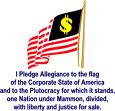 Have you ever noticed that large corporations can get away with pretty much anything? Over and over again a major scandal breaks and in the end the fines are pennies on the dollar for the profits gained by these nefarious financial activities.
  The manipulation of the LIBOR scandal just keeps growing. Ever since
  Barclays was busted for
Recent comments