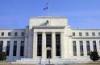
The Federal Reserve raised the interbank borrowing rate today by one quarter of one percent or 25 basis points. Readers are asking, “what does that mean?”
The Federal Funds rate is still effectively zero. Surprise. Since 2008 the Fed has keep interest rates an unprecedented effective zero, giving a free ride to big debt and Wall Street. The phrase that pays from the Fed is a highly accommodative policy.
One hundred million dollars in $100 bills fits nicely on a standard-sized pallet. The image below shows what $1 trillion in cash would look like. This is almost what U.S. corporations have spent on stock buybacks — just in the last year.
Wall Street was all aghast that their quantitative easing was about to disappear. The FOMC decided to taper in January and now stocks soar. Why? Because the taper is minimal and the FOMC announced the federal funds rate will remain an effective zero for much longer than previously estimated.
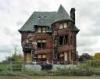
It is official. Detroit is bankrupt. Detroit is not only bankrupt they can now trash pensions owed to city workers. That is police, fire, hospital and a host of workers counting on those pensions for retirement. The U.S court ruling allows for a bankruptcy type for cities and towns, Chapter 9, to proceed and specifically puts pensions on the fair game bankruptcy chopping block.
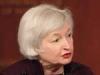
This moment is historic. For the first time in history a woman is nominated to chair the Federal Reserve. Assuming Dr. Janet Yellen does a good job, this alone will help millions of women in finance and economics, which to this day is fraught with gender bias and glass ceilings. She is already inspiring the phrase, Yellenomics and referred to as Bernanke Redux for most perceive the Fed and their policies will not change much in the transition.
Another bank ripoff and another lawsuit dismissed. The Libor manipulation scandal spurred private investors and others to sue the banks over their losses. A judge just threw out major portions of their case. There were at least 22 Plaintiffs. Now groups like the City of Baltimore are out of luck in recovering all of their losses due to banks manipulating a key interest rate.
Payday loans have to be the poster child for exploiting the poor. People should never get a payday loan. Selling blood or begging in the streets is a better option. The Pew Chartable Trust has been on the warpath to expose these exploitive sorts of financial ripoffs which it turns out are quite the profitable business.
The manipulation of the LIBOR scandal just keeps growing. Ever since Barclays was busted for manipulating this key critical interbank interest rate, more outrageous details keep pouring out.
Europe wants to make such evil financial dealings criminal. Yes, that's right, already manipulating a key interest rate is being classified as not criminal by this announcement.
Europe's top regulatory official intends to propose new rules that would criminalize the manipulation of benchmarks such as Libor.
The U.K. Serious Fraud Office opened a criminal probe into the attempted rigging of interest rates that led to a record fine against Barclays Plc (BARC), adding to pressure on banks already under investigation by regulators around the globe.
Supposedly the U.S. opened a criminal probe in February 2012:
Several major global banks, including Citigroup Inc, HSBC Holdings Plc, Royal Bank of Scotland Group Plc and UBS AG, have disclosed that they have been approached by authorities investigating how Libor is set.




 The manipulation of the LIBOR scandal just keeps growing. Ever since
Recent comments